

Tribeca Dental Studio Explains What a Professional Dental Cleaning Actually Does
News originally published by
EIN Presswire
Dr. Nina Izhaky, founder of Tribeca Dental Studio
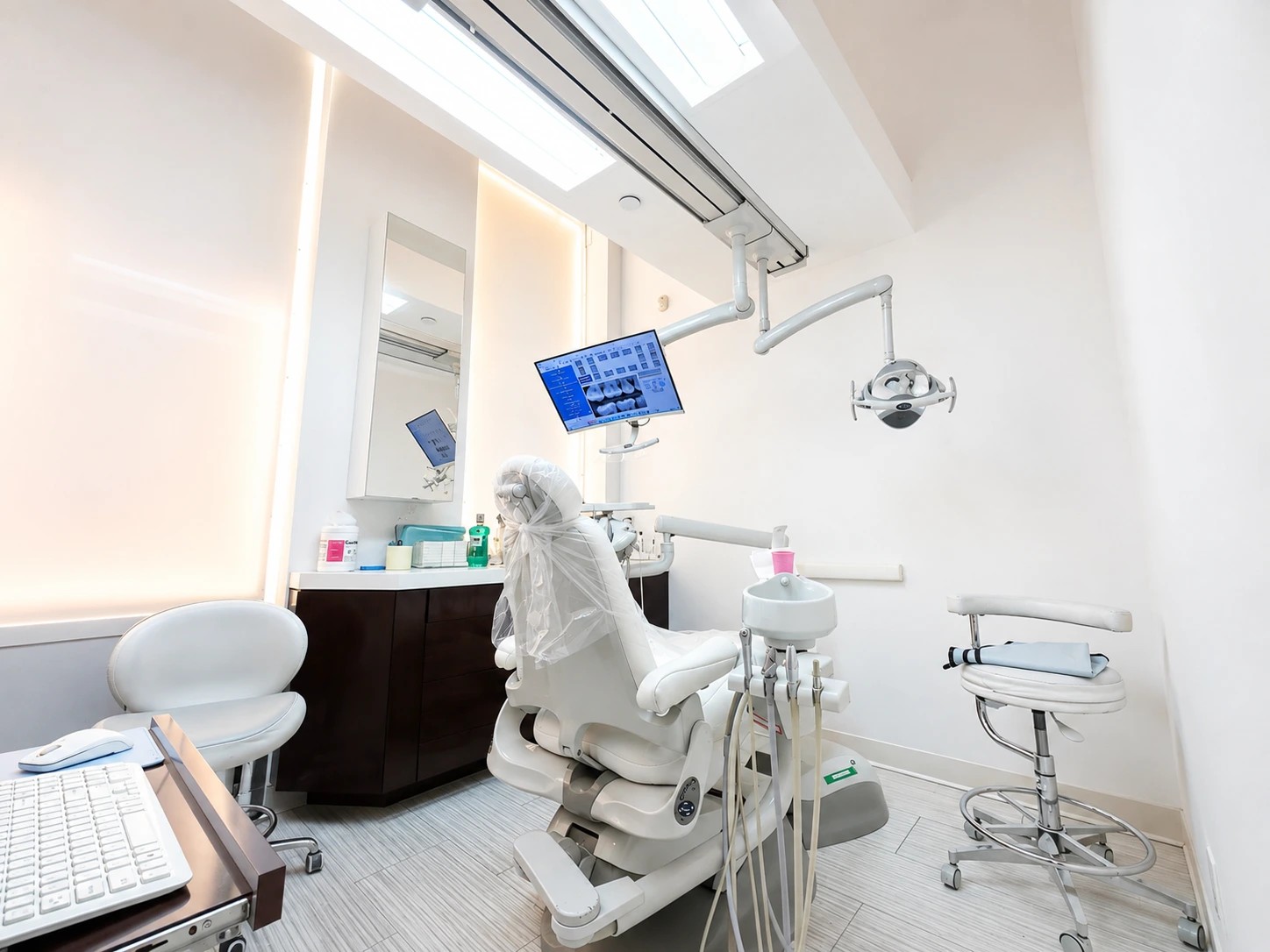
Tribeca Dental Studio operatory
Tartar no brush can remove, an exam that catches problems while they are small, and a cleaning schedule set for each patient, not the calendar.
NEW YORK, NY, UNITED STATES, November 22, 2026 /EINPresswire.com/ -- It is the most ordinary appointment in dentistry and the one everything else depends on. Tribeca Dental Studio has published its explanation of the professional dental cleaning: what it removes that brushing and flossing cannot, what the examination that accompanies it is actually looking for, and why the cleaning schedule — unremarkable as it sounds — is what stands between most people and most expensive dentistry.
The cleaning itself is about tartar. Plaque that is not removed hardens within days into calculus — a mineral deposit bonded to the tooth that no brush, floss or mouthwash can shift. Only the hygienist's instruments remove it, and it matters because tartar is a shelter: bacteria colonize its surface against the gumline, and the gum answers with inflammation — bleeding, then recession, then the bone loss of gum disease, which is the leading cause of tooth loss in adults and a slow, painless process until it is advanced. At this practice, every cleaning is finished with the Prophy Jet — air polishing that lifts away the surface stain of coffee, tea and wine and leaves the teeth smooth — and every patient is flossed. No shortcuts, on any cleaning, for any patient.
The appointment's second half is a record. Every patient is scanned: a digital mold of the teeth, taken with an intraoral scanner instead of impression trays, which becomes part of the patient's permanent record. The gums are measured and charted — where the gumline sits today, recorded tooth by tooth — so that at the next visit the record can be compared and any tissue loss is caught as a number that moved, not a surprise years later. Around that record sits a health and wellness check: the teeth examined, the mouth screened for cavities while they are still small enough for small fillings, for failing old work before it fails aloud, for gum disease while it is still reversible, and for the soft-tissue changes of oral cancer, which is curable early and dangerous late. A practice with specialists under one roof reads that screening with the whole team behind it: what the hygienist flags is seen by the clinician who would treat it, in the same office, often in the same visit.
And when a cleaning finds gum disease already established — deep pockets, tartar below the gumline — the treatment is a deep cleaning, and at this practice every deep cleaning is done with a laser. The laser removes the infected tissue and the bacteria inside the pocket as the roots are cleaned, sterilizing as it goes, with less bleeding and faster healing than the instruments alone. It is the difference between scraping a pocket and actually disinfecting it — and it is the standard here, not an upgrade.
And the schedule is individual, because patients are not the same and do not need the same dentistry. Some patients are seen every two months, some every three, some every four, and some on the standard twice a year — the interval is set from the patient's own record: the gum measurements, the rate tartar builds, the history of disease. A mouth that builds calculus fast or carries gum disease cannot wait six months; a stable, healthy mouth does not need to come sooner. The schedule follows the patient, not the calendar — children included, from their first teeth. What does not vary is the arithmetic: the cleaning is the least expensive appointment in dentistry, and it is the appointment that prevents the most expensive ones. The root canal, the crown, the implant — each usually begins as something a cleaning visit would have caught while it was still small.
"Nobody dreams about getting their teeth cleaned. They dream about never needing a root canal," said Dr. Nina Izhaky, founder of Tribeca Dental Studio. "The cleaning is how that dream comes true. On the schedule your mouth actually needs, we take off what you cannot take off, and we look at everything while there is still time to fix it cheaply and gently. It is the best bargain in all of dentistry — and the one people skip."
Tribeca Dental Studio is a comprehensive dental practice at 54 Warren Street in Tribeca, New York, founded in 2007. The practice provides oral surgery, dental implants, orthodontics, laser dentistry, airway and sleep care, and family dentistry for adults, together with a dedicated pediatric practice for children, including sedation and special-needs care.
Tribeca Dental Studio, 54 Warren Street, New York, NY 10007 — https://tribecadentalstudio.com
Nina Izhaky
Tribeca Dental Studio
+1 212-561-5303
Legal Disclaimer:
EIN Presswire provides this news content "as is" without warranty of any kind. We do not accept any responsibility or liability for the accuracy, content, images, videos, licenses, completeness, legality, or reliability of the information contained in this article. If you have any complaints or copyright issues related to this article, kindly contact the author above.
